{ Tile Roof Mountings }

  • Exploring the Benefits of Tile Roof Mountings for Solar Installations

    Introduction:

    Tile roofs are a popular choice in many regions due to their aesthetic appeal and durability. When it comes to installing solar panels on tile roofs, using the right mounting system is crucial to ensure a secure and effective installation. In this blog post, we will discuss the advantages of tile roof mountings for solar installations, highlighting their compatibility, durability, and visual integration with tile roofs.


    1. Compatibility with Tile Roofs:

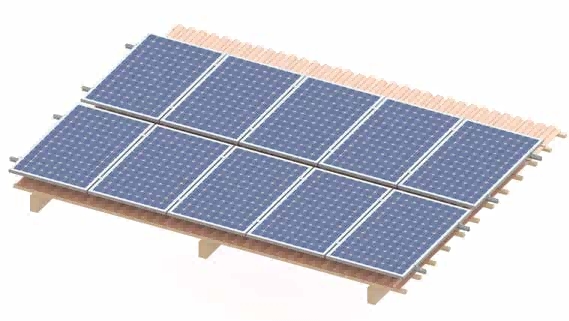
    Tile roof mountings are specifically designed to accommodate the unique characteristics of tile roofs. These mounting systems feature solar roof hooks or brackets that fit securely onto the tile edges or ridges, providing a sturdy foundation for solar panels. The design takes into account different tile profiles and materials, allowing for a seamless integration of the solar array with the roof. As a result, tile roof mountings offer a versatile solution that can be customized to fit various tile roof types and configurations.


    2. Durability and Weather Resistance:

    Tile roof mountings are built to withstand the rigors of outdoor environments and protect the solar panels against adverse weather conditions. These mountings are typically made from robust materials such as aluminum or stainless steel, which offer excellent corrosion resistance and longevity. Additionally, tile roof mountings are engineered to withstand wind forces, ensuring that the solar panels remain securely in place even during strong winds or storms. Their durability provides peace of mind to homeowners, knowing that their solar investment is well-protected.


    3. Aesthetically Pleasing Integration:

    Tile roofs are known for their unique and appealing designs, and it is essential to maintain the visual harmony when installing solar panels. Tile roof mountings are specifically designed to blend seamlessly with the existing roof design. This integration enhances the curb appeal of the house and allows solar installations to complement the overall architectural style.


    4. Easy Installation and Maintenance:

    Tile roof mountings are designed for easier installation and maintenance. With proper training and expertise, solar installers can efficiently attach the mountings onto the tiles, saving installation time. Moreover, in the event of maintenance or repair needs, tile roof mountings allow for straightforward panel removal and reinstallation, minimizing any disruption to the solar system.


    Conclusion:

    Tile roof mountings offer several advantages for solar installations on tile roofs. Their compatibility, durability, aesthetic integration, and ease of maintenance make them an excellent choice for homeowners considering solar energy. By selecting tile roof mountings specifically designed for tile roofs, homeowners can enjoy the benefits of solar power without compromising the structural integrity or visual appeal of their tile roofs.


    Investing in quality tile roof mountings ensures a secure and successful solar installation that maximizes energy generation while harmonizing with the unique aesthetics of tile roofs.


    Tile roof mounting system requires roof hooks, rails, rail splices, middle and end clamps, etc. We have these accessories, please feel free to consult~

  • Advantages of solar energy

    Figuring out if solar panels are right for your home can be daunting. If you’re looking to install solar panels, you’ll come across a wide range of information listing out the good that solar has to offer.


    Advantages of solar energy


    1. Reduces your electricity bills

    The biggest benefit for solar buyers is that solar panels can reduce your electric bills. As of 2024, the average household can save about $1,500 per year on electric bills when they install solar panels!


    Solar power systems save money by reducing how much energy you need to buy from the grid. In areas with net metering policies, you can earn credits by sending excess energy back to the grid, saving you even more money.


    2. Insurance against rising power prices

    Electricity prices are high and only keep getting more expensive. According to the U.S. Energy Information Administration, the average cost of electricity is about $0.16 per kilowatt-hour (kWh) - a 4.1% increase from the previous year.


    Solar panels protect you from these rising electricity costs. Because you are producing your own energy, you don’t have to buy as much power from your utility and avoid paying those high energy rates. In fact, you’ll actually be saving more money with solar panels as electric rates get higher!


    3. Solar is cheaper than ever

    While electricity prices have continued to climb, solar panel installation costs have steadily fallen. The image below is a graph from the National Renewable Energy Laboratory (NREL) of the cost per watt of solar installed on a residential and utility scale.


    Solar technology costs less than half of what it did back in 2010. Now in 2024, the cost of solar sits at an average of $3.00 per watt. And when paired with good solar rebates or incentives like the 30% federal solar tax credit, you can bring down the cost even more.


    4. Solar is a renewable energy source

    Solar is a renewable source of energy, meaning that the sun’s power won’t deplete as we use it to make solar electricity. The sun’s energy will never “run out” – so you can always take advantage of it, without hurting the earth!


    Plus, solar panels do not emit any harmful carbon dioxide emissions when they generate electricity, making them a source of clean energy and an integral part in fighting against climate change and reducing our carbon footprint.


    5. Diverse uses

    Photovoltaic energy can be used in many small and large-scale projects. From powering a home to running space satellites, solar panels are a great way to access energy in even the most remote places.


    The most common uses for solar panels are on residential rooftops and large solar farms. But, some smaller-scale uses include solar phone chargers, solar-powered outdoor lights, and portable solar panels for camping and RVs.


    6. Great financial investment

    Solar panels can pay for themselves in just a few years with the savings accumulated on your electricity bill. In some cases, solar panels can provide better return on investment than in something like an index fund.


    The average payback time for a home solar installation is about ten years, but it’s different for everyone. How long it takes to see a return on your solar investment depends on how much you paid for your system, your state, and the incentives available in your area.


    7. Low maintenance costs

    Solar panels don’t require much maintenance after installation. Solar panel maintenance is generally minimal and usually consists of solar panel cleanings once or twice a year to avoid dirt and buildup.


    Solar panels and other solar system equipment have very low failure rates because they don’t have moving parts, especially when you choose reliable brands and a trusted installer. An installer or manufacturer's solar warranty may cover some issues with solar panels, but it’s unlikely the equipment will fail.


    8. Energy independence

    Solar panels allow homeowners to create their own energy instead of relying on the electrical grid, helping you achieve energy independence.


    Energy independence allows homeowners to take power into their own hands and control where your home is getting energy from.


    The role of the solar mounting system is critical. If you need a roof mounting system for your home’s roof, you can contact us. Our solar rooftop mounting system includes tile roof mountings, color steel roof mountings, flat roof mountings, standing seam roof mountings, etc.

  • Five types of GRD Solar Rooftop Mounting System

    The following introduces five types of GRD Solar Rooftop Mounting System:


    Tile Roof Mountings

    GRD Tile Roof Mounting is designed with great suitability for installing framed and framless panels on the roof, which are applied to both commercial and residential roof system.

    Innovative design, pre-assembled clamp and standard components make the installation simple to save your installation time and cost.

    Different hooks are compatible with various tile roofs.


    Color Steel Roof Mountings

    Color steel roof mountings is suitable for large area color steel roof, need to match aluminum alloy clamping hook respectively according to different types of color steel roof, which including standing seam roof, angle break type roof, buckle type roof, fixed part connection type roof, to achieve the most stable installation effect.

    This kind of fixed way will not damage the waterproofing of the original building, and can be effectively combined with the original roof.


    Standing Seam Roof Mountings

    Standing Seam Roof Mounting is designed with exclusive clip lock kit for metal roof sheet with non-penetration solution.

    Which makes the roof sheet be beyond rust, keep the roof intact and better water proof.

    It eliminates the need for traditional L feet, just need bolt to fix, save labor time and reduce materials used in installations.

    With GRD highly pre-assembled structure, can make the installation steps much easier.


    Asbestos / Metal Roof Mountings

    Asbestos / Metal Roof Mounting is designed with innovative rail, standard components and highly pre-assembled clamps, which make the installation to be simple with great flexibility.


    Trapezoidal Roof Mountings GRD-SS04 / GRD-SS07

    GRD-SS04 mountings kit and GRD-SS07 mountings kit are both mini rail sulutions, which are designed for trapezoidal shape metal sheet roof.

    The mini Rail is unity of rail and hook, which can work as rail and hook.

    It can be fixed on roof to hold solar panels directly without rails, which can save installation time, suitable for large-scale installation.