What Factors Should You Consider When Choosing a Solar Mounting System?
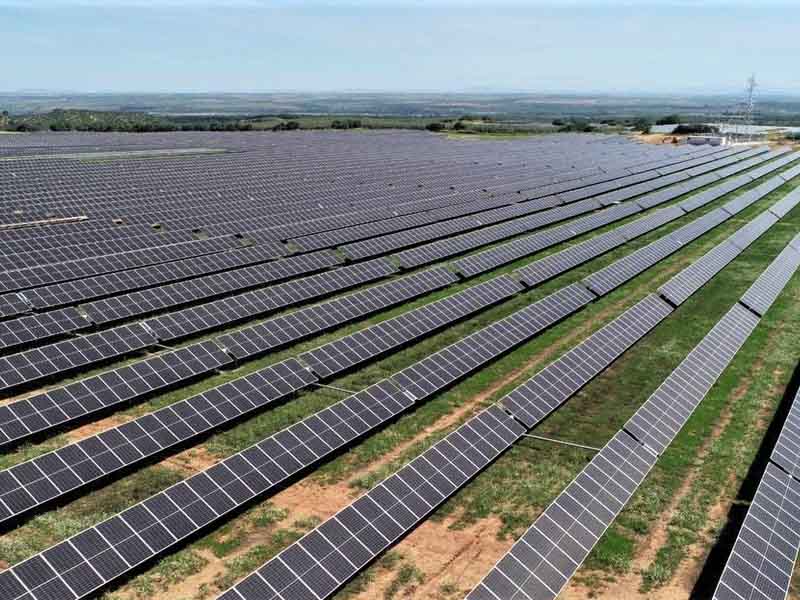
A high-efficiency solar panel array relies not only on premium solar modules but also on a reliable solar mounting system. Often overlooked by many solar project owners, mounting structures serve as the foundational support for solar panels, securing their stability, optimizing power generation efficiency, and determining the long-term service life of the entire solar system. Whether you’re installing residential rooftop solar, commercial industrial solar, or ground-based photovoltaic power stations, selecting a suitable mounting system is critical to maximizing return on investment.
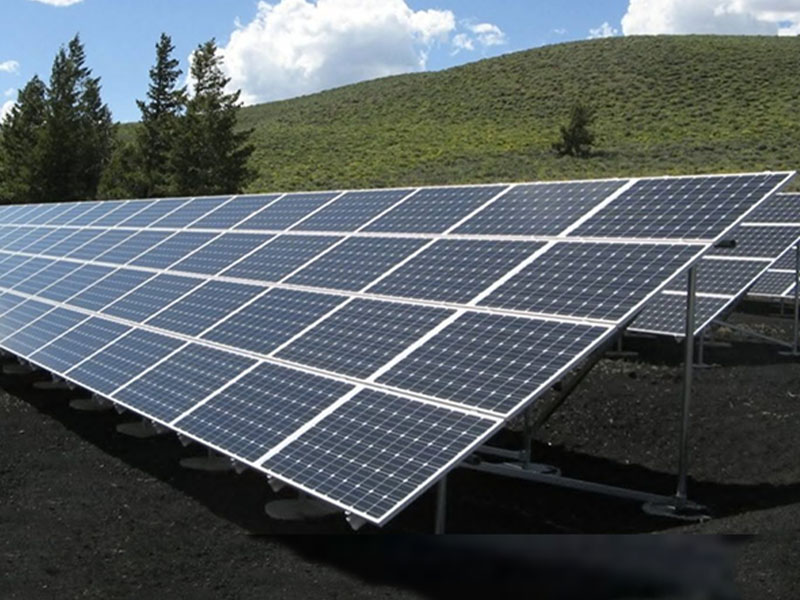
There is no one-size-fits-all solar mounting solution. The best system is always tailored to your specific site conditions, local climate, budget, and long-term usage needs. Today, we’ll break down the key decisive factors you need to evaluate when choosing a solar mounting system, helping you avoid blind selection and hidden risks.
1. Site Type and Structural Compatibility
The first step in selecting a solar mounting system is matching your installation site, as different sites correspond to completely different mounting types and structural designs. Unsuitable matching will lead to installation difficulties, structural instability, or even damage to the original building or terrain.
Rooftop Installation
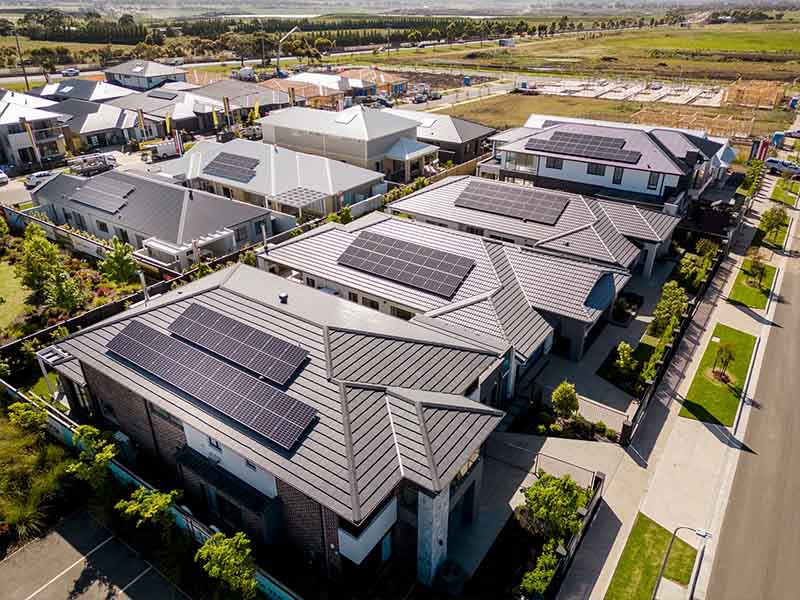
For residential and commercial rooftops, you need to prioritize roof type, material, and load-bearing capacity. Pitched tile roofs usually adopt hook-type mounting systems, which are non-destructive and firmly fixed; flat concrete roofs are more suitable for ballasted or non-penetrating bracket systems to avoid roof leakage risks; metal color steel roofs typically use special clamps that fit the roof board structure without drilling holes. Meanwhile, you must verify the building’s dead load limit to ensure the mounting system plus panels do not exceed the roof’s bearing range, complying with basic building safety specifications.
2. Material Durability and Corrosion Resistance
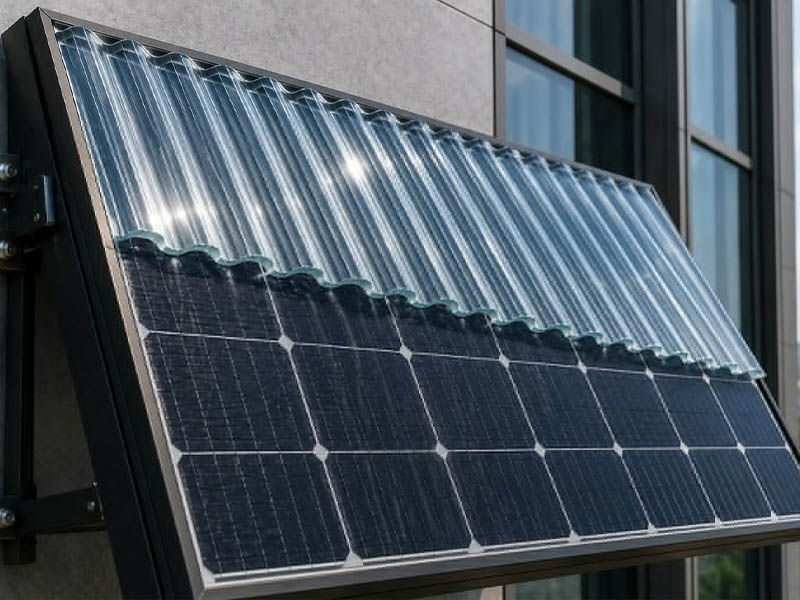
Solar mounting systems are exposed to the outdoor environment allyear round, enduring wind, rain, ultraviolet radiation, andtemperature changes. The material quality directly determines thesystem's service life and maintenance cost, which is the core of long-term system stability. Common mainstream materials include anodized aluminum alloy, hot-dip galvanized steel, andstainless steel.
Aluminum alloy brackets are lightweight, corrosion-resistant, andbeautiful in appearance, with good oxidation resistance, suitable formost conventional residential and commercial projects, and requirealmost no daily maintenance. Hot-dip galvanized steel has higherstructural strength and better load-bearing capacity, ideal for largeground power stations and areas with harsh weather conditions.Stainless steel is mostly used for key connecting accessories, withexcellent corrosion resistance, suitable for coastal high-salt, high-humidity corrosive environments.It is crucial to match materials according to the local corrosionenvironment level. Blindly choosing low-cost ordinary materials willlead to rust, deformation, and structural loosening in 2-3 years,greatly shortening the system lifespan and bringing safety hazards.
3. Local Climate and Environmental Load Conditions
Different regional climates put forward distinct load requirements forsolar mounting systems. A system suitable for plain areas may fail toresist extreme weather in coastal or alpine regions. You must focuson wind load, snow load, and extreme temperature resistance indicators.
For coastal areas with frequent typhoons, the mounting system mustpass strict wind load resistance tests, with optimized structural designto reduce wind resistance and prevent panel overturning and bracketloosening. For northern alpine and heavy snow areas, the systemneeds strong snow-bearing capacity, with reasonable bracketinclination to avoid snow accumulation and structural deformationcaused by excessive snow pressure.
In addition, high-temperature areas need materials with high-temperature oxidation resistance, while cold regions requirestructures that resist low-temperature brittleness. Qualified supplierswill provide professional wind and snow load calculation reports toensure the system meets local environmental safety standards.
4.Power Generation Efficiency and Angle Adaptability
Fixed-tilt brackets are the most cost-effective and maintenance-free,with a pre-set optimal local inclination, suitable for most conventionalprojects. Seasonal adjustable brackets allow manual angle adjustmentin different seasons to adapt to sun altitude changes, improvingoverall power generation by 5%-10%. Solar tracking systems canautomatically follow the sun's trajectory, maximizing sunlightexposure, with the highest power generation efficiency, but higherupfront costs and maintenance requirements, more suitable for large-scale ground power stations.
When selecting, you heed to balance efficiency and cost: residentialprojects prioritize cost-performance fixed or adjustable systems, whilelarge commercial projects can appropriately invest in tracking systems for higher long-term returns.
5. Total Cost of Ownership (TCO)
Many project owners only focus on upfront purchase costs and ignorelong-term comprehensive costs, which is a typical selectionmisunderstanding. The cheapest mounting system often has thehighest hidden costs in the later stage.
The total cost of the mounting system includes three parts: upfrontmaterial cost, installation labor cost, and later maintenance cost. High-quality standardized brackets have precise sizes, simple assembly,and low installation difficulty, which can greatly save labor time andconstruction costs. Durable anti-corrosion materials can reduce laterrust treatment, component replacement, and maintenance costs,matching the 25+ year service life of solar panels.
Low-cost inferior brackets may save initial investment, but frequentfailures, rust deformation, and safety risks will bring huge economiclosses and hidden dangers in the later stage. Therefore, it isnecessary to evaluate the long-term total cost of ownership rather than simply comparing unit prices.
6. Industry Certification and Compliance
A qualified solar mounting system must meet local industry standardsand certification requirements, which is the basic guarantee forproject safety and grid-connected qualification. Different regions havemandatory specification standards for photovoltaic brackets: forexample, US projects need UL2703 certification, covering structuralstability, electrical grounding, and fire resistance; Australia and NewZealand comply with AS/NZS 1170 series structural load standards.
In addition, the system needs to meet local building codes, fireprotection specifications, and structural safety requirements, such asreserved fire safety distances and wind and snow load designstandards. Purchasing certified and compliant products can avoidproject rectification, grid-connected failure, and safety liability issues,ensuring the project's standardized and safe operation.
7. Installation and Maintenance Convenience
Final Thoughts