• Thermal management of flow batteries

    Liquid flow batteries (RFBs) generate a lot of heat during operation. If the heat cannot be dissipated in a timely and effective manner, the battery temperature will rise, thus affecting the battery performance and safety. The electrochemical reaction conditions, ion conductivity, the rate at which ions move across the membrane, and the viscosity of the electrolyte are all closely related to the temperature during operation. Specifically, increasing the temperature can increase the reaction rate constant and promote the reaction kinetics in the electrochemical reaction. At the same time, high temperature will also reduce the viscosity of the electrolyte, thereby increasing the transmission efficiency of vanadium ions from the main body to the electrode surface and reducing the concentration polarization potential. However, when the temperature exceeds a certain range, it will have a fatal effect.


    Taking the vanadium redox flow battery (VRFB) as an example, its normal operating temperature range is 0~40°C. As the temperature increases, the hydrogen evolution reaction on the negative electrode will be significantly enhanced, resulting in a decrease in Coulombic efficiency. At the same time, the diffusion ability of vanadium ions through the ion membrane is enhanced, which intensifies the capacity fading. In addition, the vanadium active ions in the electrolyte are unstable and prone to precipitation when the temperature is abnormal. When the electrolyte of 2 mol/L VO+2+3 mol/L H2SO4 is placed at 40°C for 2 days, the VO+2 Converted into V2O5 precipitation; and after being placed at 15°C for 7 days, V2+ in the electrolyte will precipitate. This generated precipitate will block the flow channel, cover the carbon felt and ion membrane, lead to increased pump power loss and battery failure.


    Sustained high temperature will also accelerate the aging of the internal electrodes, proton membrane and other materials of the battery, thus shortening the service life of the battery. Therefore, temperature thermal management is of great significance to maintaining the stable operation of flow batteries.


    In order to ensure the stable and safe operation of flow batteries, it is necessary to establish a thermal model to predict and control the temperature of the electrolyte and further guide battery optimization control, which is also an important part of the thermal management system.


    The factors that generate heat during the operation of all-vanadium liquid flow batteries include electrochemical reactions, overpotential, hydraulic friction, cross-reactions and shunts, among which electrochemical reactions and overpotential heat generation account for a larger proportion compared to the other three.


    At present, the thermal management technology routes of electrochemical energy storage systems are mainly divided into four categories: air cooling, liquid cooling, heat pipe cooling and phase change cooling. The mainstream technology routes for thermal management of liquid flow battery energy storage in the market are air cooling and liquid cooling. The choice of these heat dissipation methods depends on the scale, design, operating conditions and cost-effectiveness of the battery.


    1) Air cooling

    Air cooling is wind cooling, which uses air as a medium to remove the heat inside the system by heat conduction and heat convection, thereby cooling the system. Air cooling is divided into natural air cooling and forced air cooling according to the driving mode. Natural air cooling uses natural conditions such as natural wind pressure, air temperature difference, and air density difference to achieve a cooling effect on the battery.

    The convection heat transfer coefficient of natural air cooling is much lower than that of forced air cooling, so it is difficult to completely dissipate the heat generated by the battery. For low-rate charge and discharge of the battery, the system temperature can be controlled within a certain temperature range, but the increase in the system current density can easily cause the temperature to exceed the limit range. Therefore, although natural air cooling has the advantages of simplicity, lightness and low cost, its scope of application is extremely small and it is rarely studied now. Forced air cooling is to take away heat through forced airflow generated by a blower or fan. At this time, the heat transfer coefficient of the forced airflow is greatly improved. Compared with liquid cooling, air cooling has the advantages of simple structure, easy maintenance and low cost, but it requires a certain amount of electricity, and the heat dissipation efficiency, heat dissipation speed and temperature uniformity are poor. It is usually suitable for small or medium-sized battery systems.


    2) Liquid Cooling

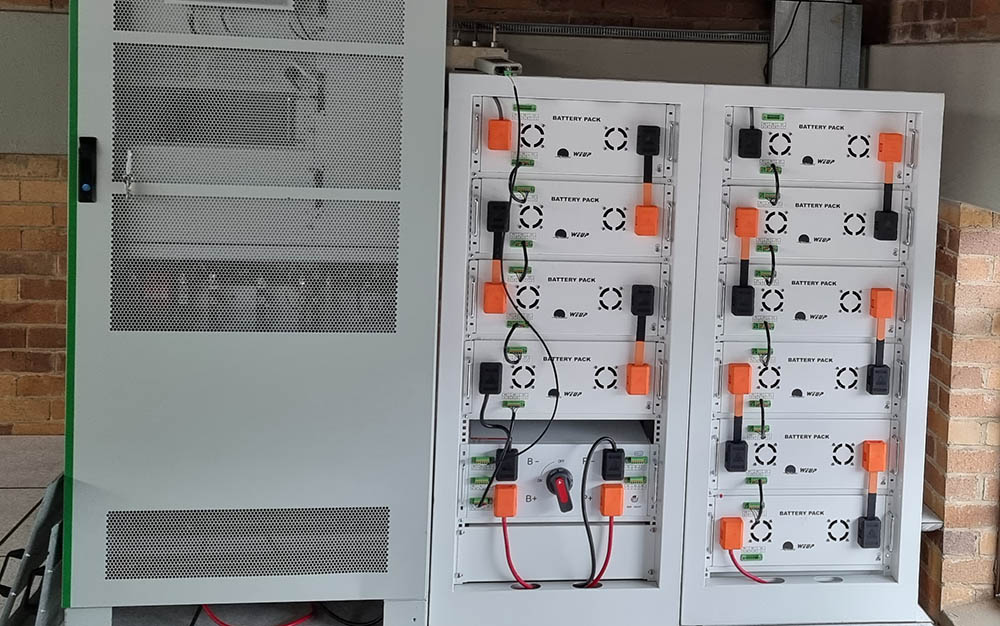
    Liquid cooling (liquid cooling) uses coolant as the medium and utilizes higher specific heat and heat transfer coefficient to dissipate heat. Liquid cooling systems can provide higher heat dissipation efficiency and better temperature control effects, but the system complexity and cost are also relatively high, and are suitable for large battery systems. Commonly used coolants include water, ethylene glycol aqueous solution, pure ethylene glycol, air conditioning refrigerant, and silicone oil. Since the charge in the electrolyte of the flow battery easily flows along the coolant to the entire system, it is more dangerous, so the choice of cooling medium is also very important. However, the most common method for flow batteries is to use corrosion-resistant and non-conductive heat exchangers. The internal materials are generally the same as those of the electrolyte storage tanks, using PVC or PP, or using titanium metal tubular heat exchangers, and the inner surface is covered with a corrosion-resistant TiO2 layer to protect the heat exchanger from sulfuric acid corrosion.


    As one of the most promising renewable energy storage technologies, the overheating problem of vanadium flow battery during operation greatly affects the efficiency and stability of the system. Therefore, various feasible methods are needed to provide a feasible solution for the VRFB thermal management system.
     

  • The Science Behind Solar Powered Motion Sensor Lights

    Solar-powered motion sensor lights have transformed outdoor illumination by merging energy efficiency, convenience, and safety. What makes these lights so groundbreaking? Beneath their modern designs lies intriguing technology that harnesses solar energy while ensuring they function effectively during nighttime.


    At the core of these solar powered lights is the photovoltaic panel, which collects sunlight throughout the day and converts it into electricity. This energy is stored in rechargeable batteries, making sure the lights are ready to operate once it gets dark. Notably, these systems have become highly efficient, with contemporary PV panels capable of working even on overcast days, guaranteeing consistent performance regardless of the weather.


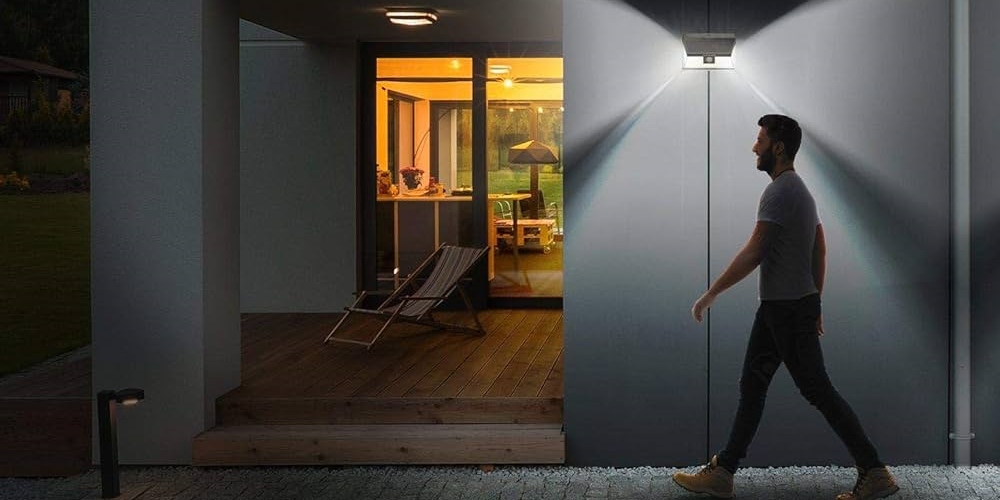
    The inclusion of motion sensors adds a smart element to these lights. Utilizing passive infrared technology, the sensors can detect heat from moving objects. When movement is sensed, the lights immediately illuminate the area, improving visibility and discouraging potential intruders. This feature is not only useful but also energy-efficient, as the lights remain off when not in use.


    solar powered motion sensor lights 

    Modern solar motion sensor lamps frequently offer customizable options, enabling users to modify sensitivity, brightness, and duration or operation. Some models even include ambient light sensors, ensuring they activate only in complete darkness. Together, these features make the lights versatile for various settings, from suburban gardens to busy urban areas.


    Solar powered motion sensor lights exemplify sustainable innovation. They decrease dependence on conventional energy sources, reduce electricity costs, and provide an environmentally friendly alternative to traditional lighting. Beyond their practicality, they signify progress toward greener living, seamlessly integrating technology with ecological responsibility.


    Solar Lights Do is a company that focuses on producing and selling premium-quality solar lights. We provide a diverse selection of efficient and durable solar lighting solutions designed for outdoor applications. If you’re interested, please visit us at www.solarlightsdo.com

  • Solar Bimetal Self-tapping Screw

    Solar Bimetal Self-tapping Screw


    The Solar Bi-metal self-tapping screws with stainless steel 304 in head and Carbon Steel SCM 435 for drilling 0.5-2mm steel or aluminum.The stainless steel head are high level of corrosion protection and fast drilling on metal roof,it reduces the swarf and prevent rusting on roof.


    Material:Stainless Steel 304/316+Carbon Steel SCM435

    Screw Length:5.5X25mm,6.0(6.3)x25mm

    Sealing Washer:Stainless Steel 304φ16mm with EPDM

    Head type:Hexagon Head

    Surface Settlement:Luxiubao(Ruspert) or Galvanizing

    Drill Capacity through Steel:0.5-2.00mm

    Drill Capacity through Aluminium:0.5-2.00mm

    Application:Trapezoidal/Corrugated Metal Roof

    Service:OEM/ODM is accepted

    Color:Silver


    Please check the Video for reference

    https://www.youtube.com/watch?v=6-5ROp_kYsk&t=43s


    If you are interesting in the screw or other screws,please contact to Email:sales9@landpowersolar.com


  • The Stainless Steel Adjustable Trapezoidal Roof Clamp

    The Stainless Steel Adjustable Trapezoidal Roof Clamp is a more popular now, specially designed for installation on the trapezoidal roof of the photovoltaic bracket clamp. It has a height-adjustable function and can adapt to the trapezoid color steel tile roof of different heights. This fixture is usually made of aluminum alloy or stainless steel material, with high strength and corrosion resistance, can ensure the stable installation of photovoltaic panels and long-term use.


    We produce the stainless steel adjustable trapezoidal roof clamp is adjustable to accommodate varying of widths and heights of trapezoidal roof ridge, it also can be adjustable the height of solar panel to the roof.  In addition, our product features a self-adhesive EPDM seal, ensuring quick installation and water resistance. The material we use is stainless steel 304. Stainless Steel 304 Trapezoidal roof jig is a cost-effective, quick installation, the best installation solution for trapezoidal sheet roof.


    The advantages of this stainless steel adjustable trapezoidal roof clamp are as follows:


    1. Easy installation. The use of pre-assembled support accessories, on-site installation saves time and labor, can greatly reduce the construction cost, improve the engineering efficiency.
    2. High durability. Stainless steel 304 is used to ensure the durability of the fixture.
    3. You're adaptable. the adjustable design makes this fixture suitable for most of the trapezoid color steel tile roofs.
    4. Good waterproof effect. The two sides of the fixture are sealed with EPDM gaskets, which has excellent waterproof effect and avoids water leakage caused by installation ‌.
    In short, the trapezoidal roof adjustable fixture has become an indispensable tool in photovoltaic installation with its easy installation, high durability, strong adaptability and excellent waterproof effect.
    If you need this product,  please feel free to contact us. With 12 years experience,we can do very cometitive prices with high quality,  hope can work with you to cut your cost and reach mutual benefit. (sales7@landpowersolar.com)

  • Innovative Solar Light Mounting Options

    Solar lighting technology has become essential in contemporary outdoor design, providing energy efficiency, easy installation, and visual appeal. With a variety of mounting options available, choosing the right solar lights for your area is simpler than ever. Whether you need to illuminate a pathway, improve security, or brighten outdoor seating areas, the appropriate mounting option guarantees both functionality and style.


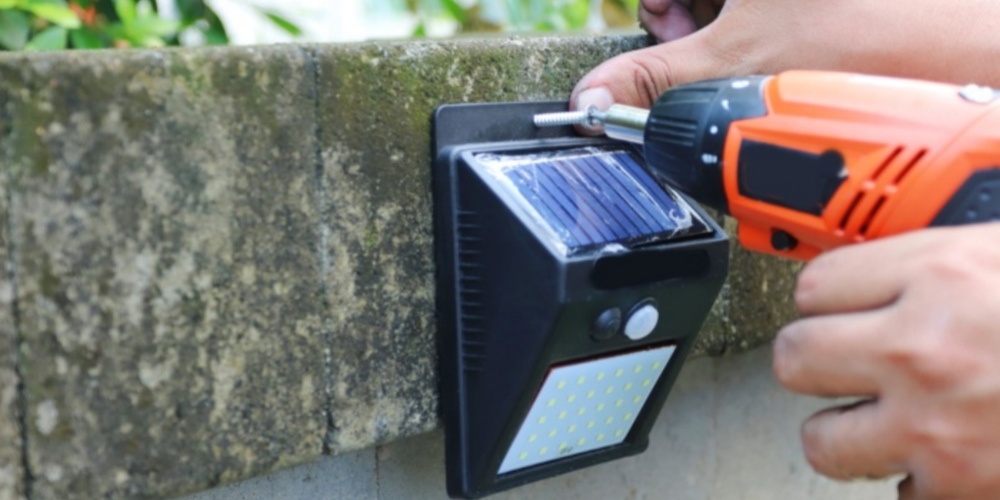
    For locations such as entrances, garages, or patios, wall mounted solar lights are an excellent option. These lights are designed for easy attachment to walls, seamlessly integrating with architectural elements while delivering sufficient brightness. Many wall-mounted models come equipped with motion sensors for enhanced security and customizable settings to match your lighting needs. Their elevated position allows for extensive coverage without taking up ground space, making them perfect for smaller areas.


    If flexibility is desired, solar ground plug lamps provide ultimate convenience. These lights are easy to install and move because of their robust ground stakes. They are perfect for lighting garden paths, flowerbeds, or driveways, adding both practicality and charm to outdoor environments. With no wiring needed, solar ground plug lamps are also an environmentally friendly way to illuminate landscaping without disturbing its natural aesthetics.


    wall mounted solar lights 

    For larger outdoor lighting requirements, such as parking lots or community areas, solar street lights with pole installation are an excellent choice. Built for durability and high performance, these lights offer bright, dependable illumination. Their pole-mounted design maximizes light distribution, while integrated solar panels and energy-efficient LEDs reduce maintenance needs. These solar street lights are a practical solution for improving safety in both public and private areas.


    When it comes to high-quality solar lighting, SLD, Solar Lights Do, is a reputable brand. They offer a diverse range of innovative products that combine advanced technology with modern design to cater to various outdoor lighting requirements. Whether you are looking for wall-mounted lights, ground plug lamps, or pole-mounted street lights, SLD guarantees outstanding performance and durability. Visit www.solightsdo.com to explore complete product range and see how solar lighting can enhance space.

  • The Future of Solar Energy in Outdoor Lighting

    Solar energy is revolutionizing outdoor lighting by providing an environmentally friendly and economical alternative to conventional lighting. Thanks to improvements in solar panel efficiency, battery technology, and LED lighting, solar-powered fixtures are increasingly favored for for gardens, parks, pathways, and public areas.


    The attractiveness of solar energy stems from its sustainability. Outdoor solar lights collect sunlight during the day and convert it into electricity to illuminate LEDs at night. This process eliminates the need for wiring, cuts energy costs, and reduces carbon emissions. As awareness of environmental issues rises, solar powered lighting is becoming a key component of urban planning and landscape architecture.

     solar powered outdloor lamps


    Contemporary solar outdoor lighitng systems come with features such as motion sensors, adjustable brightness settings, and smart controls that enable users to tailor lighting schedules. Improvements in battery technology have enhanced energy storage, allowing lights to operate effectively even on cloudy days or during prolonged use. Additionally, advancements in solar panel design have boosted their efficiency, resulting in smaller and more visually appealing lights.


    Solar lighting has expanded beyond residential applications. It is now commonly used to light up walkways, parking lots, sport fields, and even remote locations with limited electricity access. The ease of installation without extensive groundwork makes these lights suitable for both temporary and permanent setups.


    SLD, Solar Lights Do, is a company that focused on producing and selling high-quality solar powered outdoor lamps. We provide a diverse selection of efficient and durable solar lighting solutions for outdoor applications. If you’re interested, please visit us at www.solarlightsdo.com.

  • The Future of Solar Energy Advances in Ground Mounting Technology

    As global demand for renewable energy surges, innovations in solar ground mounting systems are paving the way for more efficient, scalable, and cost-effective solar installations. From utility-scale solar farms to smaller commercial projects, advancements in ground mounting technology are reshaping how we harness solar power, making it more accessible and sustainable.


    Ground Mounting Systems: The Backbone of Large-Scale Solar
    One of the key advantages of ground-mounted systems is their versatility. Unlike rooftop installations, ground mounted PV panels can be positioned optimally to capture maximum sunlight, ensuring consistent energy production. These systems are particularly valuable for large, open spaces, where flexibility in panel placement and orientation can significantly enhance energy output.


    Introducing the C-Type Steel Ground Solar Mounting System
    Among the various mounting technologies, the C-Type Steel Ground Solar Mounting System stands out for its durability and efficiency. Designed with robust steel structures, these systems are ideal for withstanding harsh weather conditions, ensuring long-term reliability for solar projects. Moreover, the simplicity of their design reduces installation time, enabling quicker project completion without sacrificing stability or performance.


    Why Ground Mounting Technology is the Future
    With advances in materials and engineering, solar ground mounting systems are becoming lighter, stronger, and more adaptable to different terrains. Modern systems, such as the C-Type Steel Ground Solar Mounting System, are designed for compatibility with advanced tracking technologies, allowing ground mounted PV panels to follow the sun’s movement for higher energy yields. These innovations are driving down costs while boosting the efficiency of solar installations, making them an increasingly attractive option for developers.


    EmperySolar: Your Partner in High-Value Solar Solutions
    When it comes to reliable and affordable solar ground mounting systems, EmperySolar leads the way. Known for their high-quality materials and precision-engineered designs, EmperySolar products deliver unmatched durability and performance. Whether you’re tackling challenging terrains or managing tight project deadlines, EmperySolar’s solutions are built to meet your needs.
    What sets EmperySolar apart is its exceptional cost-effectiveness. By combining cutting-edge technology with competitive pricing, EmperySolar ensures that customers receive maximum value for their investment. Their C-Type Steel Ground Solar Mounting System exemplifies this commitment, offering a perfect blend of strength, flexibility, and affordability.


    C-Type Steel Ground Solar Mounting System


    In terms of future powered by renewable energy, trust EmperySolar’s solar ground mounting systems to deliver innovative, reliable, and budget-friendly solutions that stand the test of time. Choose EmperySolar to turn your solar ambitions into a sustainable reality.


  • Maximize Solar Potential with Flat Roof Solar Mounting Systems

    As solar energy continues to get attraction worldwide, maximizing efficiency is vital for residential and commercial solar projects. For buildings with flat roofs, flat roof solar mounting systems offer a practical and effective solution. Among the various configurations available, ballast-mounted solar panels and east-west solar systems have emerged as popular choices owe to their innovative design and energy efficiency.


    Advantages of Solar Panel Ballast Mounting Systems
    The solar panel ballast mounting system is designed to streamline installation processes and reduce costs. By eliminating the need for drilling, these systems minimize the risk of roof leaks and structural damage, making them an excellent choice for both short-term and long-term projects. Additionally, ballast mounting systems allow for adjustable panel angles, enabling optimal energy generation tailored to the specific location of the installation.


    Why East-West Solar Systems Are Gaining Popularity
    Another innovative approach for flat roof installations is the east-west solar system. This design positions solar panels to face both east and west, maximizing energy generation throughout the day. Unlike traditional south-facing arrays that peak at midday, east-west systems deliver more consistent power output from sunrise to sunset. This setup is particularly beneficial for commercial properties with high energy demands during morning and evening hours.

    east-west solar system

    Corigy Solar Flat Roof Mounting System: Your High-Value Choice
    When it comes to finding a reliable and cost-effective flat roof solar mounting system, Corigy Solar stands out. The Corigy Solar Flat Roof Solar Mounting System combines cutting-edge design with superior materials, ensuring durability and optimal performance. Its user-friendly design makes installation simple, while its adaptability supports various panel configurations, including ballast-mounted and east-west systems.

    Investing in a flat roof solar mounting system is a smart move towards sustainable energy. Choose Corigy Solar to unlock the full potential of your solar installation today!


  • Are batteries worthwhile with solar?

    Batteries are important partners in solar energy systems. Batteries store excess energy produced by solar systems and also provide backup power during power outages.


    Batteries replace the grid by adding them to your solar system.


    When solar energy is generated, it will power your home appliances that need electricity.


    If the amount of solar energy is less than what your appliance needs, the rest will be taken from the battery. If the battery is empty or can't provide a full load, the rest will still be pulled from the grid as a last resort.


    If more solar energy is generated than your appliance needs, the excess will be stored in the battery. If the battery is full, the excess power is fed into the grid as a last resort.


    By adding batteries to your solar system, you can make yourself more self-sufficient. More electricity in your home will come from the sun. Batteries give you backup power in the event of a power outage. Our high-end systems will switch you from grid power to battery power in a split second, and you won't even notice the grid has lost power.

  • Building-integrated photovoltaics

    Building-integrated photovoltaics enable buildings to maximize solar energy production while reducing long-term material and energy costs.


    What is BIPV?


    Building-integrated photovoltaics integrate photovoltaic cells directly into the facade of a building, rather than attaching photovoltaic cells to the existing facade. BIPV is often included in the construction process and architects consider BIPV when designing structures. In some cases, contractors may retrofit a building with BIPV, but it won't be cost-effective upfront.


    BIPV can take many forms on buildings. It can be integrated into part of the roof or shingles. Larger buildings often choose to use BIPV as part of the building facade, and the cells are often integrated into the windows.


    A building's roof may not get enough sunlight, but a multi-story structure can collect a lot of solar energy through its many windows. Other facades, such as awnings and skylights, are excellent locations for BIPV.


    BIPV and BAPV


    BIPV is part of this structure. They serve the dual purpose of energy collectors and building materials. BAPV (Building Applied Photovoltaics) is photovoltaic generation added to an existing system. BAPV only acts as an energy harvester. These buildings require standard building materials.


    Benefits of BIPV?

    BIPV systems have many benefits. They provide clean, renewable energy that is not only good for the environment but also saves homeowners money. Businesses are more likely to install BIPV than BAPV because they can be seamlessly integrated into the building’s architecture. Design doesn’t have to sacrifice beauty.


    BIPV is more cost-effective in the long run, especially when incorporated during the construction phase. Because the system replaces some traditional building materials, there is no need to purchase these materials and solar equipment. All this can be done for one fee. The building will save money on electricity bills and may offset further costs through tax incentives.


    One problem with solar energy is that the energy is not always available when needed. For BIPV, the energy collection peak and energy consumption peak are usually consistent.


    The structure can use electricity immediately without the need for additional storage. The system does not have to rely as much on the grid, saving energy costs. Over time, the energy cost savings will far outweigh the initial installation and material costs.


    Applications of BIPV


    BIPV has several practical applications in the construction sector. Any type of facade that receives a lot of sunlight is a viable option. Designers often use roofs and skylights for BIPV. Since larger buildings require more energy and don't have as much surface area on the roof, windows are another excellent location. Windows are particularly effective on the tallest buildings in the area.


    BIPV systems can meet the needs of large buildings while reducing the need for fossil fuels, thus contributing to sustainable construction. Progress is critical, and BIPV can make progress while reducing environmental harm.